
Understanding the psychological triggers that drive gambling behavior
The Role of Emotion in Gambling
Emotion plays a critical role in gambling behavior, often influencing decisions more than logic. Many individuals gamble to escape negative feelings or to enhance positive emotions. The thrill associated with winning can provoke a euphoric state, leading people to chase these high feelings repeatedly. This emotional connection can create a cycle where individuals continue to gamble in hopes of recapturing that initial rush, often disregarding the potential for loss. For those exploring online options, consider checking out skrill betting sites as part of your journey.

Moreover, emotions such as excitement, anxiety, and even stress can impact gambling habits significantly. For instance, a person experiencing stress might turn to gambling as a form of relief, seeking solace in the distraction it provides. Conversely, someone in a highly positive state may gamble to amplify their happiness, showcasing how emotions can act as powerful motivators in gambling behavior.
Understanding the emotional triggers that lead people to gamble can aid in developing interventions aimed at responsible gaming. This highlights the importance of addressing emotional health as a preventive measure against problem gambling, as recognizing one’s emotional state can lead to healthier decision-making when it comes to gaming activities.
Reward Systems and Brain Chemistry
The brain’s reward system is intricately linked to gambling behavior, as it responds to the anticipation and receipt of rewards. When a person wins, the brain releases dopamine, a neurotransmitter associated with pleasure and reinforcement. This chemical reaction is similar to that experienced from addictive substances, which explains why gambling can be so compelling. The more frequently an individual wins, the more their brain becomes conditioned to seek out those rewards, increasing the likelihood of continued gambling.
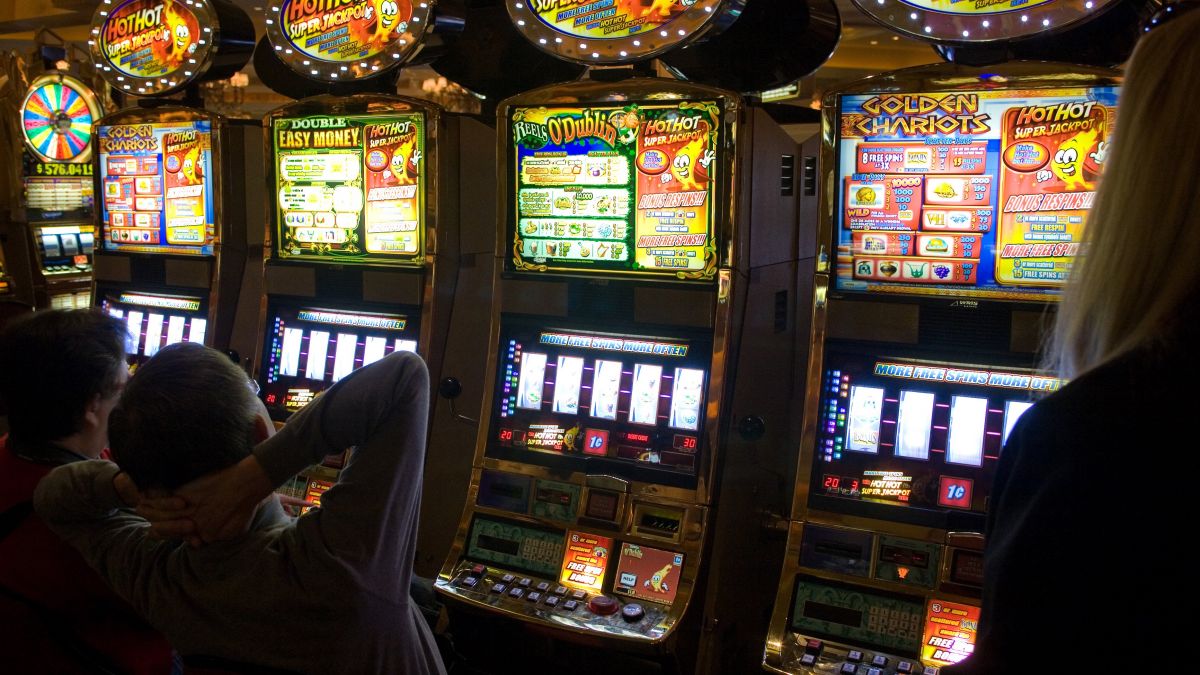
This neural response is often magnified in environments that stimulate excitement, such as casinos or online gambling platforms. The sounds of slot machines and the visual appeal of colorful games create a sensory-rich atmosphere that heightens anticipation and engagement. As individuals experience wins, even small ones, their brains become increasingly addicted to the thrill of potential gains, reinforcing the cycle of gambling behavior.
Understanding the biological underpinnings of gambling behavior can lead to better management strategies for individuals struggling with gambling addiction. By recognizing how reward systems operate in the brain, gamblers can seek healthier outlets for the thrill they crave, thereby reducing the risks associated with compulsive gambling.
The Influence of Cognitive Biases
Cognitive biases significantly affect how individuals perceive and engage in gambling activities. One of the most prevalent biases is the illusion of control, where players believe they can influence outcomes in games of chance. For example, a gambler may think that using specific strategies or patterns can improve their odds, leading to a misguided sense of confidence and increased gambling behavior. This cognitive distortion can lead to repetitive betting even in the face of losses.
Another common cognitive bias is the gambler’s fallacy, where individuals mistakenly believe that past events influence future outcomes. For instance, if a player has experienced a series of losses, they may think they are “due” for a win, prompting them to continue gambling despite mounting losses. These cognitive errors can create a vicious cycle, where individuals continuously chase their losses, often leading to more significant financial problems.
By understanding these cognitive biases, gamblers can become more aware of their thought processes and decision-making. Education and awareness can lead to more rational gambling behaviors, encouraging players to approach games with a realistic understanding of odds and outcomes, thereby fostering a more responsible gambling culture.
Social Influences on Gambling Behavior
Social dynamics play a pivotal role in shaping gambling behavior. The influence of peers, family, and societal norms can either encourage or deter individuals from engaging in gambling activities. For instance, individuals who socialize in environments where gambling is normalized may be more likely to participate themselves. This social acceptance can create a sense of belonging, further embedding gambling as a regular part of their lifestyle.
Additionally, social media and online communities can amplify gambling behaviors, as individuals often share their experiences, wins, and losses. The visibility of others’ successes can trigger a desire to participate, further perpetuating the gambling cycle. Furthermore, social platforms may glamorize gambling, portraying it as an exciting and lucrative endeavor, which can influence new players’ perceptions and decisions.
Understanding the social factors that contribute to gambling behavior is essential for developing strategies to promote responsible gambling. Encouraging open discussions about gambling within social circles and raising awareness about its potential consequences can foster a more mindful approach to gaming, helping individuals to make informed choices based on their values and circumstances.
Exploring Resources for Responsible Gambling
Finding reliable resources for responsible gambling is essential for both new and experienced gamblers. Many organizations and platforms offer educational material, support networks, and tools aimed at promoting safer gambling practices. These resources are designed to help individuals understand the risks associated with gambling, encouraging them to engage in responsible behaviors. Education on setting limits, recognizing triggers, and understanding one’s emotions can empower gamblers to make informed choices.
Additionally, professional help is available for those who may be struggling with gambling addiction. Therapy, support groups, and counseling services can provide valuable assistance, helping individuals navigate their challenges and develop healthier coping mechanisms. Engaging with these resources not only benefits the individual but also fosters a supportive community that promotes well-being and accountability.
At our website, we are dedicated to providing comprehensive information and resources to help individuals make informed decisions about gambling. Whether you are a seasoned player or new to the scene, our platform offers insights and support to ensure a responsible and enjoyable gambling experience. We believe that understanding the psychological triggers behind gambling can lead to healthier habits and better outcomes for everyone involved.